



- July 7, 2025
- Colleen M Bland
- Comment: 0
- blog
Non-alcoholic fatty liver disease (NAFLD)
By: Dr. Colleen M. Bland
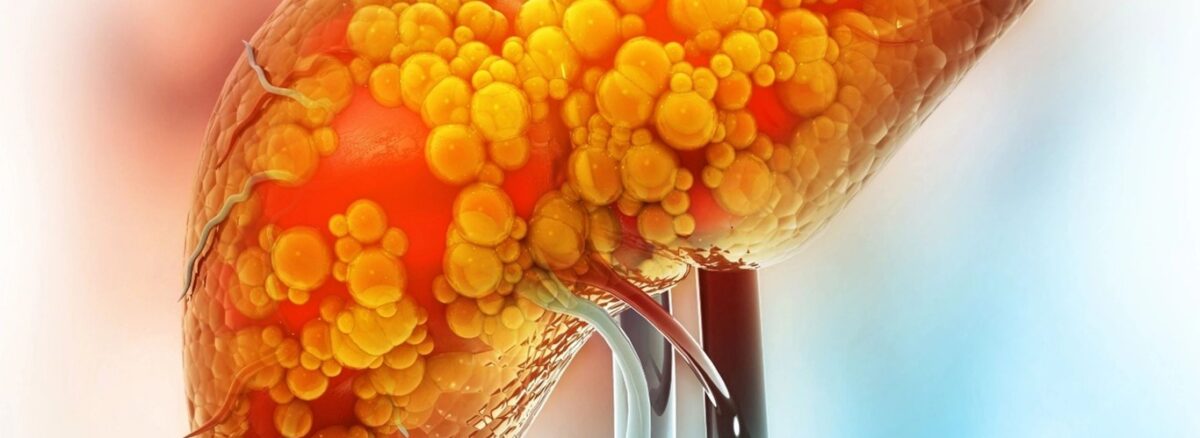
The term non-alcoholic fatty liver disease (NAFLD) was first introduced in 1986 by Schaffner and Thaler. The global prevalence of NAFLD is currently estimated to be 30%-35% of the population worldwide. NAFLD is defined as ≥ 5% of hepatocytes displaying macrovesicular steatosis (fatty infiltration of hepatocytes). NAFLD is a progressive condition.
A diagnosis of NAFLD must exclude other factors that can cause fatty changes in the liver (steatosis) such as significant alcohol intake, viral hepatitis (hepatitis B/C), starvation, autoimmune liver disease, Wilson’s disease and long term use of steatogenic medication (drugs that cause fatty changes) like methotrexate and tamoxifen.
NAFLD has several clinical phenotypes. Non-alcoholic fatty liver (NAFL) is a mild form with 5% steatosis but no hepatocellular injury. Non-alcoholic steatohepatitis (NASH) is more severe involving inflammation and hepatocellular injury (hepatocyte ballooning) which can progress to fibrosis and cirrhosis. NASH can eventually progress to hepatocellular carcinoma.
Recently the term metabolic dysfunction–associated fatty liver disease (MAFLD) was introduced to reflect the pathogenesis of the disease namely fat accumulation in the liver (steatosis above 5%) with one of the following criteria: obesity, type 2 diabetes mellitus and metabolic dysregulation. There is still considerable debate concerning the correct terminology, as a lean NAFLD (normal body weight, especially prevalent in Asia) does exist. Genetic factors also play a significant role in NAFLD development.
Risk factors The following factors increase/are associated with the development of NAFLD: genetics/family history, more prevalent in men and advancing age, Hispanic population, the consumption of HFCS (high fructose corn syrup), lack of physical activity, oxidative stress, poor sleep quality (sleep apnea), obesity (high BMI) (increased waist circumference/central obesity), insulin resistance, type 2 diabetes, sarcopenia (shares a common pathophysiology with NAFLD), rapid/ sudden weight loss, high triglycerides (hyper-triglyceridemia), low HDL cholesterol, smoking, hypothyroidism, metabolic syndrome and dyslipidemia, disturbed gut microbiome, mitochondrial dysfunction, endoplastic reticulum stress, adipokine imbalance (increased leptin/reduced adiponectin), hypertension, adipose tissue dysfunction and lipotoxicity, exposure to hepatotoxic drugs and environmental chemicals. Hepatic steatosis is a risk factor for cardiovascular disease. Adipose tissue, skeletal muscle and the gut produce organokines (signalling molecules that influence liver health). In NAFLD, the balance of organokines are disrupted – leading to fat accumulation.
Diagnosis Patients may present with elevated liver enzymes, but not always. Typically ALT (alanine aminotransferase) elevation is more common than AST (aspartate aminotransferase). Triglycerides (TG) and GGT (gamma-glutamyl transferase) levels are also usually elevated. Elevated serum Ferritin levels are also common in patients with NAFLD. Albumin and bilirubin levels will be high if the patient has developed progressive disease. In patients with cirrhosis, there is usually a prolonged prothrombin time, thrombocytopenia and neutropenia.
The diagnosis includes serum and imaging biomarkers. Some of the following are used:
- Fatty Liver Index (FLI): non-invasive predictive algorithm. Relies on BMI (body mass index), waist circumference, serum TG (triglycerides) and gamma-glutamyl transferase (GGT).
- NAFLD Liver Fat Score (NLFS) is calculated using AST, the AST/ALT ratio and fasting serum insulin level.
- Lipid Accumulation Product (LAP) uses fasting TG and waist circumference.
- Liver biopsy/Ultrasonography/CT (Computer Tomography)/MRI (Magnetic Resonance Imaging)/CAP (Controlled Attenuation Parameter). A Fibrosis-4 Index (FIB-4) score can measure the amount of fibrosis in the liver. Transient Elastography (FibroScan) and Magnetic Resonance Elastography (MRE) measure liver stiffness. A liver biopsy is invasive. Ultrasound, MRI and CT scans can detect hepatic steatosis. Factors such as age (years), the BMI, diabetes, AST/ALT ratio, platelet count and albumin can determine if fibrosis is present.
Symptoms The majority of patients do not experience any symptoms but some complain of right upper quadrant discomfort and fatigue. Malaise, abdominal fullness or heaviness, nausea and reduced appetite can occur. It may be interesting to view the liver from a TCM (Traditional Chinese Medicine) perspective. The key period for detoxification and cleansing (strongest activity) by the liver is between 1am and 3 am. Patients may experience symptoms or sleeplessness at this time. Symptoms such as anger, aggression, rage and visual (eye) problems are closely linked to the liver in TCM.
Diet A healthy diet and physical activity are cornerstones in NAFLD treatment. The Mediterranean and the Paleolithic diet have beneficial effects. Reducing caloric intake/ high-glycaemic foods (high GI) is recommended. Reducing sugar and refined carbohydrates and increasing omega 3 fatty acids, legumes, seafood and vegetable intake is beneficial. Increasing the amount of polyphenols reduces hepatic fat accumulation.
The liver is the primary clearing house for the following: trans-unsaturated fatty acids, BCAA – branched chain amino acids (valine, leucine and isoleucine), ethanol and fructose. If consumed in excess, the body is not well adapted to deal with this and enhanced lipogenesis and adipose storage in the liver occurs. Diets high in fructose and sucrose increase NAFLD. High fructose corn syrup (HFCS) in soft drinks is particularly hepatotoxic. Brominated vegetable oil also increases fatty infiltration in the liver. Hydrogenated vegetable oils should be avoided. Sugary drinks are especially linked to NAFLD. Weight loss is beneficial for obese patients but too-rapid loss can cause portal fibrosis and bile stasis.
Treatment Conventional treatment is limited – generally insulin sensitizers, statins, ursodeoxycholic acid, betaine or Vitamin E are prescribed.Natural treatment of NAFLD could include the following:
Milk thistle (Silybum marianum) has anti-fibrotic, anti-cirrohotic, antioxidant, insulin-sensitizing and anti-inflammatory activities and significantly ameliorates NAFLD. The seeds are hepatoprotective. In a double-blind clinical trial, a combination of silybin, phosphatidylcholine and vitamin E – administered for 12 months – improved HOMA-IR, fasting insulin, transaminase levels, GGT levels and the degree of steatosis at ultrasonography, lobular inflammation and liver fibrosis in patients with NAFLD.
Berberine is a bitter, yellow phytochemical found in plants such as Hydrastis canadensis (Goldenseal), Berberis vulgaris (Barberry), Phelledendron amurense (Amur cork tree), Berberis aquifolium (Oregon grape root) to name a few. Berberine improves liver enzymes, improves lipid profiles, increases insulin sensitivity, decreases oxidative stress and enhances mitochondrial function in patients with NAFLD. Berberine has lipid lowering and insulin-sensitizing activity – as mentioned often an issue and needed in patients with MAFLD.
Tumeric (Curcuma longa) Curcumin is an insulin-sensitizing and lipid lowering agent. Curcumin increases adiponectin, decreases leptin, decreases inflammation, corrects lipids and decreases insulin resistance. Curcumin has strong hepatoprotective activity.
Green tea (Camellia sinensis): green tea extract (GTE) decreases hepatic steatosis, reduces oxidative stress, improves liver enzymes, improves BMI (body mass index), improves blood sugar and reduces inflammation. Green tea increases brown fat and decreases visceral fat.
Black seed (Nigella sativa) has anti-oxidative and anti-inflammatory activity. Black seed reduces insulin resistance and blood glucose, corrects lipids, decreases body weight and decreases blood pressure.
Dandelion root (Taraxacum officinale) is hepatoprotective and has anti-oxidant and anti-inflammatory activity. The root is rich in inulin – a source of prebiotics. Dysbiosis is implicated in the pathogenesis of NAFLD and metabolic syndrome.
Garlic (Allium sativum) improves the lipid profile, modulates the gut microbiome, has anti-inflammatory, antioxidant (oxidative stress), anti-diabetic (modulates glucose metabolism) effects. Garlic therefore addresses many mechanisms in the treatment of NAFLD.
Homoeopathy Remedies to consider for NAFLD are: Chelidonium majus, Lycopodium clavatum, Phosphorus, Nux vomica, Bryonia alba, Calcarea carbonica and Carduus marianus.
Supplements to consider:
- N-acetyl cysteine (NAC) and whey protein increase glutathione. Whey is rich in glutamylcysteine which is a precursor to glutathione. Depletion of glutathione plays a role in the pathogenesis of NAFLD.
- Choline functions as a methyl donor and has a positive influence on hepatic lipid metabolism. Choline is obtained through dietary intake and endogenous synthesis. The liver is a major site of choline metabolism, where it primarily is found as phosphatidylcholine. Factors such as low intake, oestrogen status and genetic polymorphisms affect choline availability.
- Betaine also functions as a methyl donor. Dietary sources include wheat germ, shellfish, beets and spinach. Betaine reduces hepatic lipid accumulation and could be an effective dietary supplement in NAFLD.
- Omega 3 fats reduce pro-inflammatory cytokines. Co-enzyme Q10 as an antioxidant and for mitochondrial support.
- Vitamin D (immuno-modulatory and anti-inflammatory).
- Vitamin E (scavenger of reactive oxygen species – ROS) and Vitamin C as oxidative stress plays a role in the pathogenesis of NAFLD and NASH.
- Resveratrol is produced by several plants under stressful response to external factors or attacks from pathogens. Resveratrol is an antioxidant which decreases ROS (reactive oxygen species). Improves blood pressure, insulin sensitivity and glycated haemoglobin in diabetic patients.
- TUDCA (Tauroursodeoxycholic acid) is a bile acid which shows some promise in NAFLD by regulating the gut microbiome and improving bile acid metabolism.
References:
Bone K. (2021) Functional Herbal Therapy: A modern paradigm for clinicians. Aeon Books, London.
Cogorno L., Formisano E., Vignati A., Prigione A., Tramacere A., Borgarelli C., Sukkar SG., Pisciotta L. (2023) Non-alcoholic fatty liver disease: Dietary and nutraceutical approaches. Liver Research 7: 216-227.
Ding X., He X., Tang B., Lan T. (2024) Integrated traditional Chinese and Western medicine in the prevention and treatment of non-alcoholic fatty liver disease: future directions and strategies. Chinese Medicine 19:21 DOI: https://doi.org/10.1186/s13020-024-00894-1.
Gaby A.R. (2011) Nutritional Medicine. Concord, NH: Fritz Perlberg Publishing.
Han SK, Baik SK, Kim MY (2023) Non-alcoholic fatty liver disease: Definition and subtypes. Clinical and Molecular Hepatology 29:S5-S16. DOI: https://doi.org/10.3350/cmh.2022.0424.
Huh Y., Cho YJ., Nam GE. (2022) Recent epidemiology and risk factors of non-alcoholic fatty liver disease. Journal of Obesity & Metabolic Syndrome 31(1):17-27. DOI: https://doi.org/10.7570/jomes22021.
Hussain M., Rehman H.U., Akhtar L. (2017) Therapeutic benefits of green tea extract on various parameters in non-alcoholic fatty liver disease patients. Pakistan Journal of Medical Sciences 33(4):931-936. DOI: https://doi.org/10.12669/pjms.334.12571.
Kounatidis D., Vallianou NG., Geladari E., Panoilia MP., Daskou A., Stratigou T., Karampela I., Tsilingiris D., Dalamaga M. (2024) NAFLD in the 21st Century: Current knowledge regarding its pathogenesis, diagnosis and therapeutics. Biomedicines 12:826.
Liu J., Liu Y., Chen Y., Liu Y., Huang C., Luo Y., Wang X. (2024) Betaine alleviates non-alcoholic fatty liver disease (NAFLD) via a manner involving BHMT/FTO/m6A/PGC1α signalling. The Journal of Nutritional Biochemistry 134:109738.
Milosević N., Milanović M., Abenavoli L., Milić N. (2014) Phytotherapy and NAFLD – from goals and challenges to clinical practice. Reviews on Recent Clinical Trials 9(3): 195-203.
Nie Q., Li M., Huang C., Yuan Y., Liang Q., Ma X., Qiu T., Li J. (2024) The clinical efficacy and safety of berberine in the treatment of non-alcoholic fatty liver disease: a meta-analysis and systematic review. Journal of Translational Medicine 22: 225. DOI: https://doi.org/10.1186/s12967-024-05011-2.
Pourreza S., Azar P.S., Sanaie S., Noshadi N., Jalali S. Niazkar H.R., Karimi A., Vajdi M. (2022) Therapeutic effects and mechanisms of action of Garlic (Allium sativum) on non-alcoholic fatty liver disease: A comprehensive systematic literature review. Evidence Based Complementary and Alternative Medicine: 6960211.
Pouwels S., Sakran N., Graham Y., Leal A., Pintar T., Yang W., Kassir R., Singhal R., Mahawar K., Ramnarain D. (2022) Non-alcoholic fatty liver disease (NAFLD): a review of pathophysiology, clinical management and effects of weight loss. BMC Endocrine Disorders 14; 22(1):63. DOI: https://doi.org/10.1186/s12902-022-00980-1.
Rathnayake DW, Sooriyaarachchi P., Niriella MA., Ediriweera D., Perera J. (2024) Herbal treatments for non-alcoholic fatty liver disease: A systematic review and meta-analysis of randomized controlled trials. Advances in Integrative Medicine 12(2). DOI: https://doi.org/10.1016/j.aimed.2024.08.016.
Sherriff J.L., O’ Sullivan T.A., Properzi C., Oddo J.L., Adams L.A. (2016). Choline, its potential role in non-alcoholic fatty liver disease, and the case for human and bacterial genes. Advances in Nutrition 15;7 (1):5-13. DOI: https://doi.org/10.3945/an.114.007955.
Sreevidhya JS. (2023) Fatty liver: A Homoeopathic Approach. International Journal of Research and Review 10(8).
Stansbury J. (2018) Herbal Formularies for Health Professionals Volume 1: Digestion and Elimination including the gastrointestinal system, liver and gallbladder, urinary system and the skin. White River Junction, Vermont: Chelsea Green Publishing.
Ursinus L. (2020) The Body Clock in Traditional Chinese Medicine: Understanding our energy cycles for health and healing. Earth Dancer: Inner Traditions.
Vachher M., Bansal S.Kumar B., Yadav S., Arora T., Wall N.M., Burman A. (2022) Contribution of organokines in the development of NAFLD/NASH associated hepatocellular carcinoma. Journal of Cellular Biochemistry 123(10):1553-1584.
Wang H., Guo Y., Han W., Liang M., Xiao X., Jiang X., Yu W. (2024) Tauroursodeoxycholic acid improves non-alcoholic fatty liver disease by regulating gut microbiota and bile acid metabolism. Journal of Agricultural and Food Chemistry 72 (36): 20194-20210. DOI: https://doi.org/10.1021/acs.jafc.4c04630.
Winston D., Kuhn M.A. (2008) Herbal Therapy & Supplements: A scientific and traditional approach. 2nd edition. Wolters Kluwer: Lippincott Williams & Wilkins.
Yin X., Guo X., Liu X., Wang J. (2023) Advances in the diagnosis and treatment of Non-alcoholic Fatty Liver Disease (NAFLD). International Journal of Molecular Sciences 2; 24(3):2844. DOI: https://doi.org/10.3390/ijms24032844.

Leave feedback about this